The task in this application example: to design reusable shipping packaging that allows laboratory bottles to be shipped safely without the use of single-use cardboard boxes. The challenge was to find a shipping solution for laboratory bottles that not only ensures the protection of these sensitive products but also eliminates the need for single-use packaging.
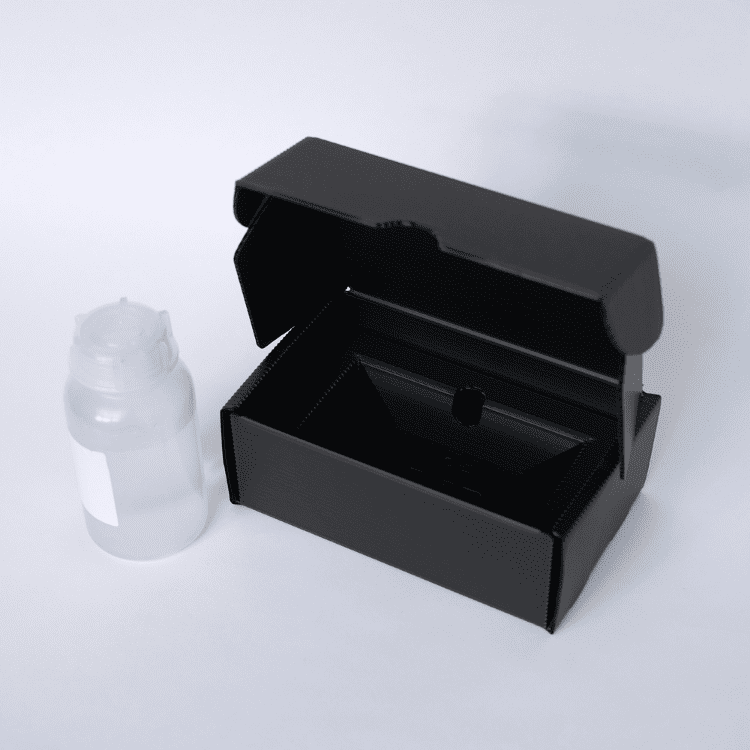
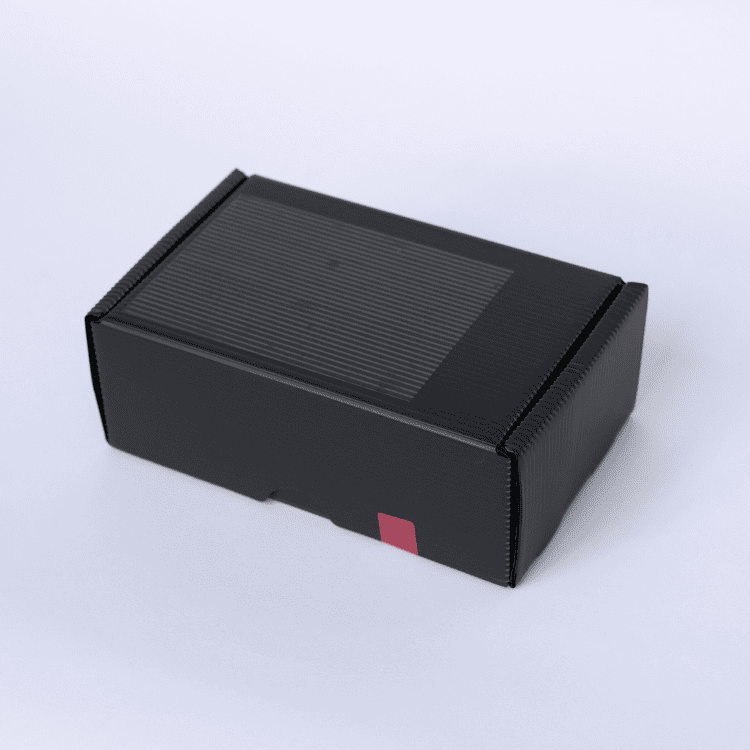
Our Solution: Bottle Delivery Using a Reusable Model
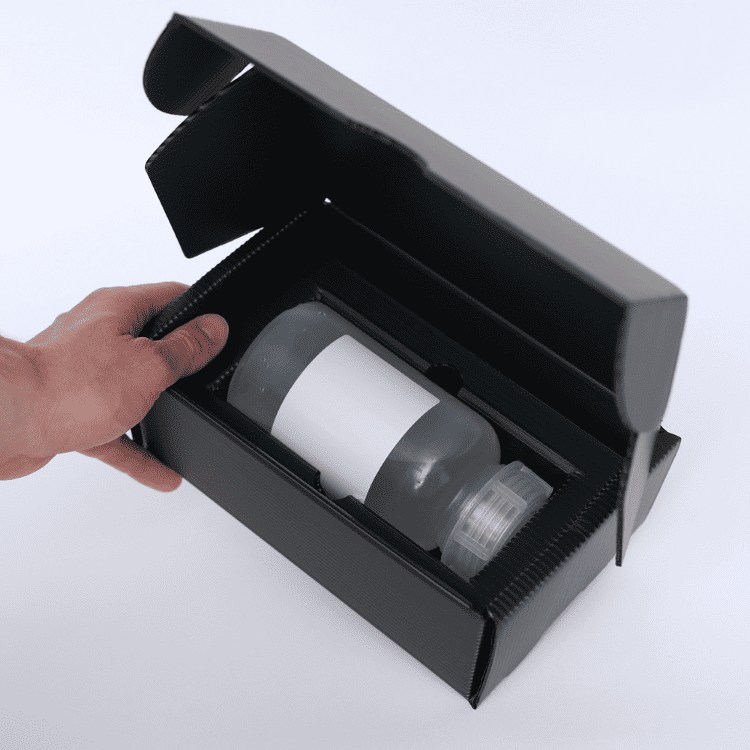
Our specially developed reusable shipping packaging for laboratory bottles proved to be the perfect solution. Sturdy, secure, and reusable, it offers the ideal combination for the safe shipment of laboratory bottles over multiple uses. The reusable packaging was tested under real-world conditions and proved to be extremely durable. The laboratory bottles arrived safely and undamaged at their destination. The use of reusable packaging significantly reduced packaging waste. With each cycle, one piece of single-use packaging is eliminated—without compromising safety.
To analyze a sample, an empty laboratory bottle is sent to the sampling site in the reusable shipping packaging. Once there, the bottle is filled with the liquid to be tested and placed back into the reusable packaging. The packaging is closed and prepared for shipment. There is a label holder on the packaging that allows shipping labels to be removed without leaving any residue.
Seal stickers to prevent tampering
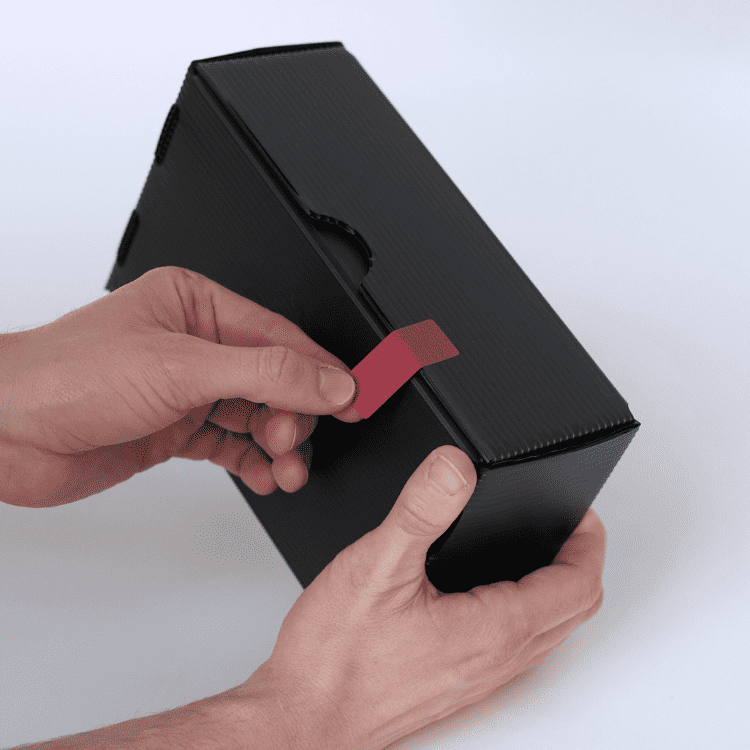
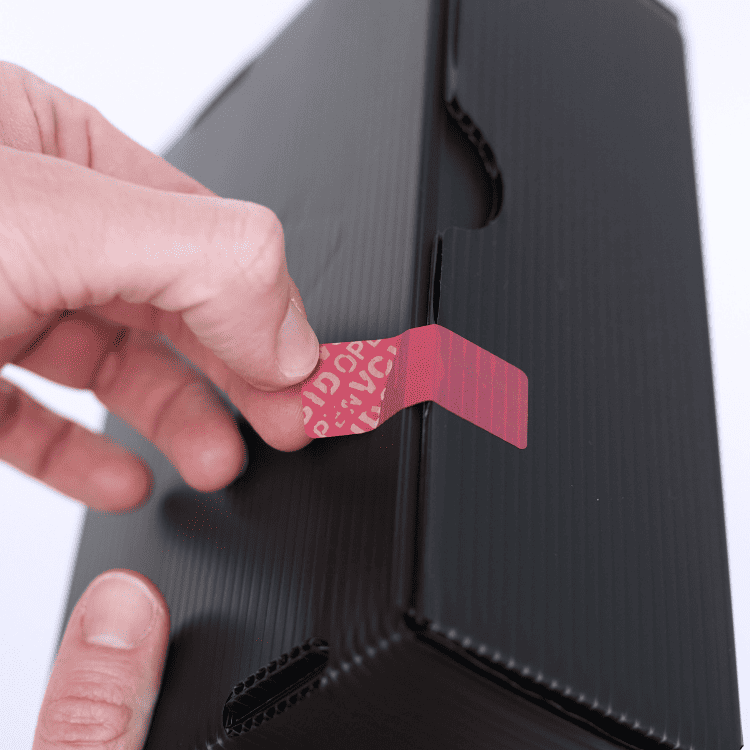
Seal stickers can be used for any shipping method to ensure that the laboratory bottle remains protected from tampering and that the sample is not contaminated. The seal sticker is applied so that half of it covers the closure tab and half covers the bottom. As soon as it is removed, the words “VOID OPEN” appear permanently. The seal is broken, and any opening is immediately detectable.
A key advantage for logistics is the resulting workplace safety: Since no adhesive tape is required, our boxes can be opened without sharp tools. This completely eliminates the risk of cuts and damaged samples caused by the use of box cutters.
More cost-effective than single-use solutions
Although the initial costs are higher than those of single-use boxes, the system quickly pays for itself. As the sample calculation shows, the investment costs are spread out over the number of usage cycles. The more frequently the box is used, the less each shipment costs. In this example, the reusable solution becomes more cost-effective than the single-use product after the sixth use. Another cost advantage that is often overlooked in pure material cost calculations: The time-consuming task of folding new boxes is eliminated with each subsequent shipment, saving valuable work time in your logistics operations.
Cost per use
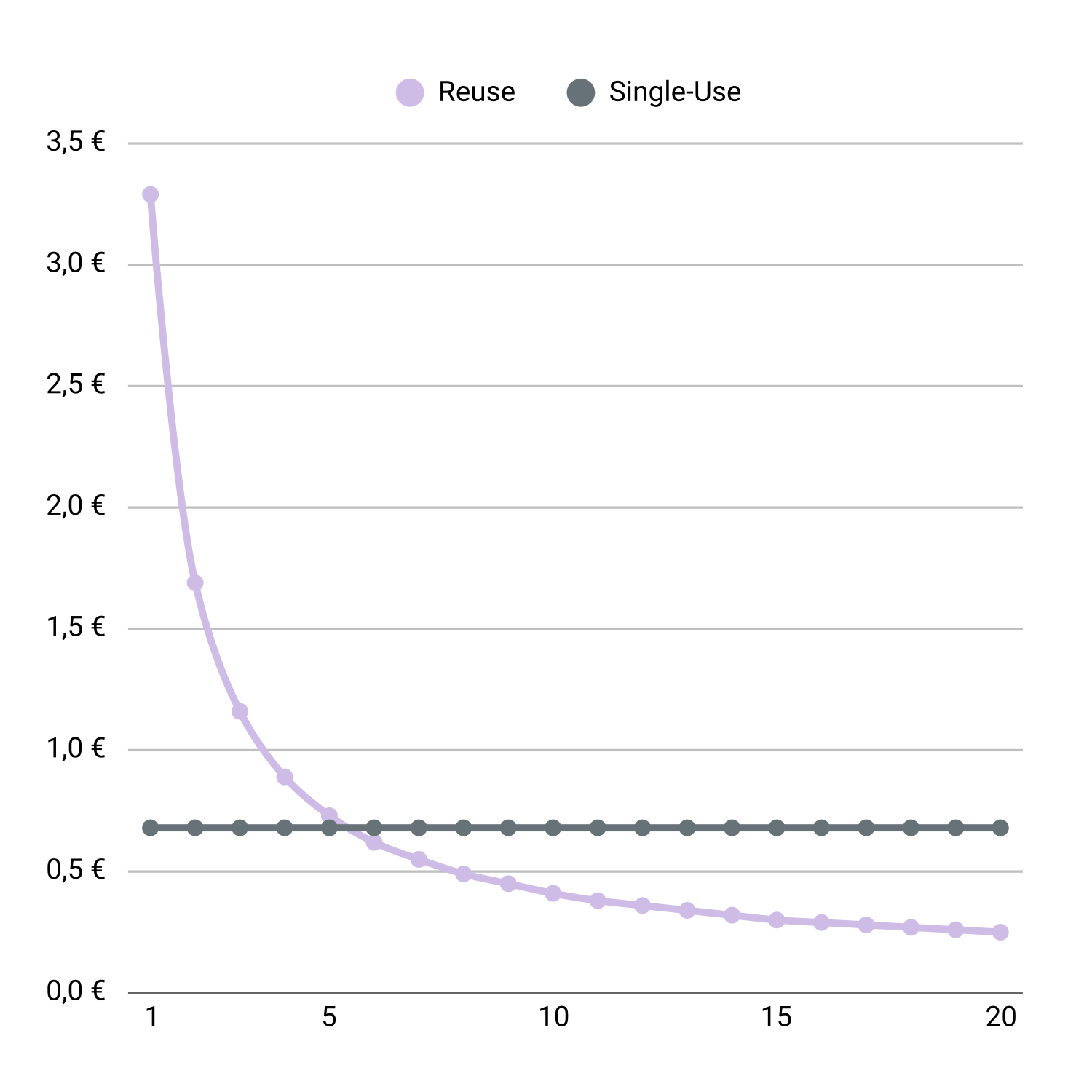
Number of uses
Material and Service Life
Our reusable packaging is made of 40 to 60% recycled polypropylene and is designed for 20 cycles. Depending on the specific process and the shipping provider, the actual number may be higher or lower. What is clear, however, is that our reusable packaging has a weight comparable to that of equivalent single-use cardboard packaging. The more often a box is in circulation, the better its carbon footprint compares with that of single-use packaging. Furthermore, at 20 cycles, one box replaces 20 pieces of single-use packaging—95% fewer packaging units ending up as waste.
Contact us
Do you have questions or want to switch your process? Write to us using our contact form. We look forward to getting to know you.